US H‑1B Visa in 2025: Key Updates Under the Trump Administration
1. H‑1B Modernization Final Rule – Effective: January 17, 2025
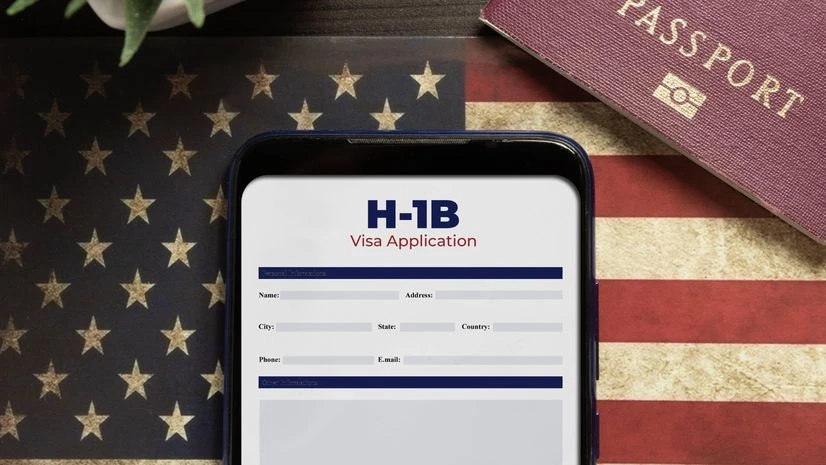
DHS issued the “Modernizing H‑1B Requirements…” final rule, effective January 17, 2025. It introduces comprehensive changes—new I‑129 form required as of that date, with no grace period for prior versions. USCIS+13USCIS+13Goldblum Pollins & Dennis+13
Specialty Occupation Definition:
- Jobs must normally require a bachelor’s degree in a directly related field.
- “Directly related” is defined as a logical link between degree and duties.
- Degree titles like general business or liberal arts are not automatically disqualifying if the content fits the job. USCIS+11Foster Global+11Holland & Hart+11Fragomen+1CUPA-HR+1
Deference to Prior Approvals:
- USCIS must defer to previous I‑129 approvals for the same employer-employee pair and facts, unless there is a material error, change, or new information. Reddit+6Foster Global+6Holland & Hart+6
Entrepreneur (Beneficiary‑Owner) Eligibility:
- Founders or majority owners (>50%) may self-petition, provided specialty occupation duties comprise the majority of their work.
- Initial petitions and first extensions are limited to 18 months. Reddit+15Foster Global+15Holland & Hart+15
Cap-Exempt Flexibility:
- Nonprofits and government research/educational organizations may claim exemption if research or education is a fundamental activity, even if not their primary mission.
- Beneficiaries spending at least 50% of their time supporting exemption-qualifying work are eligible—even through remote or third-party sites. USCIS+13Foster Global+13CUPA-HR+13
Site Visits Expanded:
- Formal site inspection authority now includes any worksite, including remote or third-party client locations.
- Refusing a site visit may lead to denial or revocation of petitions. Goldblum Pollins & Dennis+8Foster Global+8Reddit+8
Cap-Gap Extension:
- F‑1 visa holders with pending, timely-filed H‑1B petitions now receive automatic status and work authorization through April 1, rather than October 1. USCIS+14Foster Global+14Shumaker+14
2. Integrity & Lottery Reform Already Underway
On February 2, 2024, DHS finalized a related rule focusing on H‑1B registration selection and integrity:
- Created a beneficiary-centric lottery—only one selection per individual, regardless of number of employer registrations.
- Requires valid passport information to link registration to beneficiary identity.
3. Proposed Wage-Based Lottery Selection (Under Review)
- In July 2025, DHS submitted a proposal to the White House for a wage-based lottery system that prioritizes higher-paid H‑1B applicants over a random lottery, pending rulemaking. economictimes.indiatimes.com
2025 Summary Table: H‑1B Rule Changes
| Policy Area | 2025 Updates |
|---|---|
| Specialty Occupation | Stricter criteria: must require directly related bachelor’s degree |
| Deference Policy | USCIS must defer to prior approvals unless material change |
| Entrepreneurs Allowed | Founders may self-petition (must perform specialty duties ≥50%, capped at 18 mo) |
| Cap-Exempt Flexibility | 50% time rule; remote/telework allowed for exempt institutions |
| Site Visits | Allowed at any worksite; refusal may result in denial/revocation |
| Cap-Gap Extension | Shift from Oct 1 to April 1 for status and EAD continuation |
| Registration & Integrity | Beneficiary-centric lottery; one registration per person enforced since FY 2025 |
| Wage-Based Proposal | Under White House review—may eventually replace random selection with wage priority |
What It Means for Employers & Applicants
- Employers must ensure job roles meet the tightened specialty occupation definition and properly document job offers.
- New I‑129 form edition (dated 01/17/25) is mandatory starting January 17 — older forms will be rejected.
- Entrepreneur/self-employed candidates must show majority ownership and perform specialty work full-time.
- Remote or third-party placements now carry official compliance risk via expanded site visits.
- F‑1 visa holders selected in lottery can work longer under cap-gap—until April 1.
- Firms should monitor the wage-based lottery proposal—it could shift selection eligibility toward higher salaries.
These updates represent a sharp pivot toward greater program integrity, employer accountability, and focus on high-skilled talent. For legal compliance and strategy, consultation with immigration counsel is strongly advised.